
Personalization Is Not Presence
Personalization is not the same as presence.
A digital system can adapt to a child’s preferences, answer questions, offer encouragement, and respond with seemingly unlimited patience. What it cannot do is truly know a child, worry about them, hold them accountable, or notice what they are avoiding.
Children are not just processors of information. They are relational beings.
They need explanations, but they also need someone who notices the look on their face when they are about to give up. They need feedback, but they also need someone who knows when to push, when to pause, and when to sit beside them without immediately solving the problem.
AI may help personalize learning. Sometimes, it may even be useful. But a child is more than a pattern of responses, a set of learning targets, or a record of preferences.
The question is not whether we can build systems that respond to children more quickly.
The question is whether we will protect the relationships that help them become fully human.
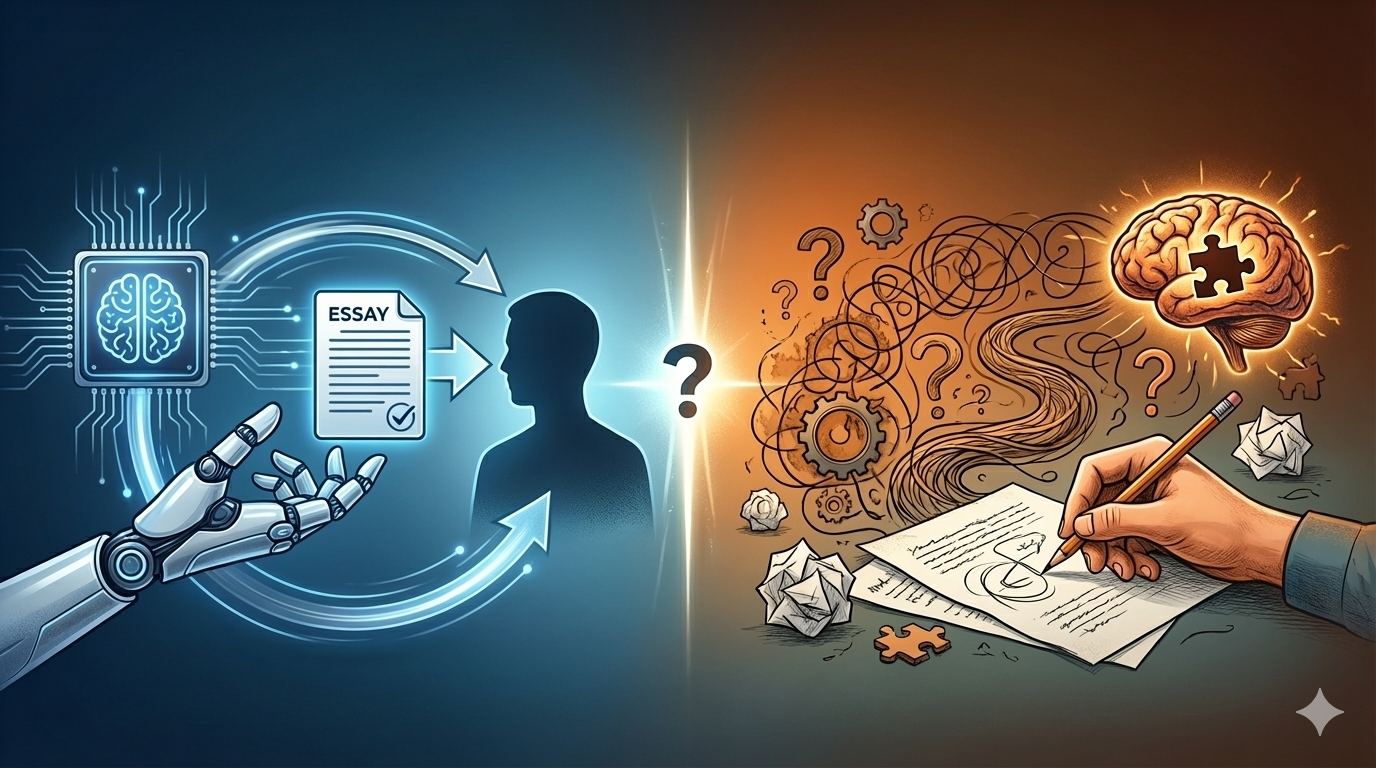
The Hidden Cost of Efficient Learning
Is the pursuit of efficiency in digital learning inadvertently creating a hidden cost? My latest blog post, "The Hidden Cost of Efficient Learning," explores why active, effortful learning is more critical than ever in the age of digital media and AI.
This isn't about rejecting technology, but repositioning it. Join the conversation on how we can design learning experiences that restore curiosity, agency, and deep understanding.